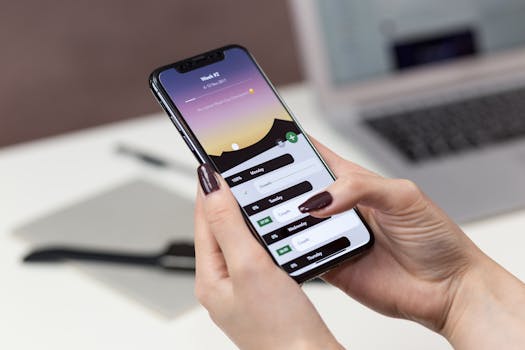
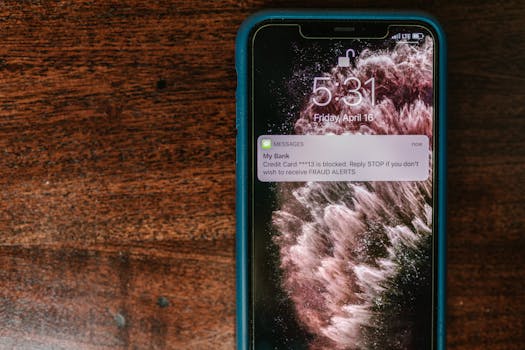
It’s easy to miss small shifts—until they matter. Ever watched a currency rate spike or plunge right after you blink? Many have learned the value of currency alert apps the hard way.
Whether you’re budgeting for a trip, working as a freelancer, or managing family remittances, tiny fluctuations in exchange rates can ripple through your plans. Automation removes daily guesswork, letting you act on actual changes.
This guide digs into practical ways to set—and actually use—currency alerts. Skip the stress of constant monitoring. Let’s explore setups that work, features to consider, and small habits that put you ahead of the curve.
Beyond Watching: Setting Smart Alerts for Currency Swings
Staring at forex charts isn’t sustainable for most—especially when rates change at odd hours. Currency alert apps automate vigilance so you don’t have to stay glued to your phone.
Not all alerts are created equal. Take a closer look at the mechanics behind effective notifications and the common mistakes that waste more time than they save.
Rule-Based Alerts: Stay Ahead with Conditions, Not Reactions
Automating with simple “if-this-then-that” logic reduces noise. For example, set a USD/EUR threshold: “Notify me if the euro climbs above 1.08.”
This narrows attention to meaningful triggers. Real-life: Briana, a study-abroad coordinator, sets three conditional alerts before payment deadlines—only acting when her benchmarks hit, never before.
Takeaway: Be precise. The more tailored your alert, the less likely you’ll fall for false alarms or react out of habit.
Timing and Frequency: Let Alerts Serve You, Not the Other Way Around
Constant pings dull your focus. Instead, establish a rhythm: one summary alert daily at the start of your typical routine, and one urgent notification for big swings.
Scenario: “6:00 AM: Daily rate summary. Notify immediately if movement exceeds 2%.” Life stays undisturbed unless there’s real action to consider.
Personalize the settings so alerts align with when you actually act—not just when rates wiggle. Copy this schedule and adapt: most apps let you select custom timing.
| Feature | Why It Matters | Best For | Next Step |
|---|---|---|---|
| Custom Threshold Alerts | Pinpoints only your preferred rates | Travelers, remittance senders | Set alerts at your must-act prices |
| Frequency Controls | Keeps notifications manageable | Busy professionals | Limit to once daily or weekly wrap-ups |
| Multi-Currency Tracking | Watches several pairs at once | Expats, global businesses | Group top currencies to track together |
| Push & Email Notifications | Reaches you on any device | Remote workers, travelers | Test both channels; pick what prompts fastest action |
| Historical Charting | Shows trend before acting | Investors, analysts | Check chart before confirming a currency move |
Sharpening Your Strategy: From Wishful Monitoring to Reliable Action
Most new users tinker with a currency alert app, only to silence it after a flood of notifications. Reliability comes from setting alerts that fit your personal patterns.
Before selecting a tool, decide what matters: speed, simplicity, depth of data, or cross-device syncing. Matching features to goals boosts your odds of acting at the right moment.
Tuning Your First Alerts: A Simple Start
Pick one currency pair you actually use. Example: If you make monthly USD to MXN transfers, set a trigger 2% above and below your average rate.
Try this routine: set the initial alerts, wait a week, then review how many triggers were actually useful. Tweak the percentage as needed to reduce noise.
- Pick one main currency pair you frequently exchange and ignore news distractions for a week.
- Set a conservative “act” threshold first, then tighten as you learn what leads to results.
- Record when notifications arrive and compare to when you actually act—spot the delay.
- Test receiving alerts on different devices and channels; stick to what catches your attention promptly.
- Tweak alert rules after seven days, prioritizing triggers that aligned with real-world actions.
Each adjustment is data, not a mistake. Tightly tuned alerts make action faster and less stressful.
Refining Over Time: Level Up as You Learn Patterns
Mark, a freelance designer, realized he often ignored Friday evening rate changes, but acted on Monday morning. He moved his alerts to match his real schedule.
The lesson: Monitor not just rate changes but also your own reaction habits. Use weekends to review last week’s performance and tweak settings accordingly.
- Log the timing of your reactions to each alert, not just the rate change itself. Look for patterns each week.
- Use summary dashboards (if your app has them) to see which types of alerts led to real action.
- Experiment with removing channels (like email) that rarely spark a fast response from you.
- Gradually expand to secondary currencies, but only after mastering one primary alert routine.
- Share a meaningful success or productivity increase with someone; making it real strengthens your habit.
Small steps make for longer streaks. Your optimum setup probably won’t match anyone else’s exactly—embrace the custom path.
Different Alert Styles: Adapting Apps to Life, Not Vice Versa
No two users have the same needs. A digital nomad in Bali likely wants frequent updates, while a family sending money home values stability. The best currency alert apps accommodate both.
Identify your real friction points: Is it timing? Notification overload? The type of rate tracked (mid-market or cash)? Pinpoint, then experiment with alert types, and you’ll see what actually works for you.
Scenario: The Weekly Planner
Picture Jess, who budgets cross-border living. She sets a Monday summary plus a high-priority alert for any changes over 2% midweek.
She ignores alerts that happen after Friday because her bank closes. Adapt lesson: Tie your alert schedule closely to when you can actually transact, not when rates merely change.
Scenario: The Opportunistic Traveler
Tom checks dollars to yen only when booking trips. His setup: One-time alert when yen strengthens by 3% vs. his recent quotes.
He disables the app afterward. Short, intense bursts work best when rates don’t matter every day. Use currency alert apps as needed, not for ongoing background noise.
Quick Comparisons: Matching Features to Everyday Routines
Some apps focus purely on exchange rates, offering quick glance widgets, while others roll in budgeting tools, historic comparisons, or travel calculators. There’s a sweet spot: select only those features that shift your real-world decisions.
Rather than signing up for everything, compare based on your true use cases—travel timing, money transfer, or tracking profit margins.
Feature Checklist: Build Only What You’ll Use
Use this as a “wish list” when browsing app stores or financial tools:
- Choose apps offering push and email alerts so you don’t miss key moments on the move.
- Seek adjustable frequency controls; tools without this get silenced quickly by busy users.
- Opt for multi-currency support only if you truly act across several pairs.
- Check for a clear summary dashboard—tracking history reduces second-guessing long term.
Copy what works, ignore what doesn’t. Over-featured apps look appealing but rarely become daily tools.
Mini Experiment: A Week Without Manual Checking
For one week, turn off manual exchange rate checking. Rely solely on alerts—note if actions become timelier, or if any edge cases slip by.
An honest review afterwards tells you which alert settings (and app) fit real life—not theory. Adjust frequency if you felt anxious or missed savings.
Reducing False Alarms: When Less Really Is More
Redundant notifications train users to ignore even valuable alerts. Imagine a fire alarm that goes off every time you cook toast—eventually, you’ll tune it out completely.
App fatigue can gut your effectiveness. Fine-tune your alert rules, trimming back to what actually prompts action. Fewer, more meaningful messages increase trust and engagement.
Checklist: Pruning Your Alert Tree
- Drop duplicate triggers across devices or channels—they only increase noise.
- Revisit threshold settings monthly to keep them aligned with the latest rates.
- Pause secondary currency alerts if you aren’t transacting soon; reactivate when needed.
- Use app analytics, if available, to spot ignored alerts for deletion.
- Only enable urgent alerts overnight if you must act on sudden market changes—otherwise, sleep better.
Your future self will thank you for a quieter phone and more decisive actions.
Quick Story: Crisis vs. Calm
During a sudden rate swing, Julia got one clear alert, acted, and secured her travel funds. Her friend, swamped with notifications, missed the opportunity. Subjective urgency beats constant reminders.
Focus your settings on what you’ll truly act on, and rate changes become manageable instead of stressful.
Conclusion: Putting Currency Alert Apps to Work for You
Tuning your alerts to fit real habits transforms fleeting knowledge into practical decisions. Avoid overwhelm—target key currency pairs, actionable times, and thresholds that truly nudge you.
The right setup frees you from the grind of watching rates, shifting your energy toward bigger goals. Digital tools can boost peace of mind and real savings, if tailored well.
This week, tweak your currency alert app preferences, not just your hopes. Give yourself permission to experiment until you find the right fit. Action shapes results, not a flood of notifications.