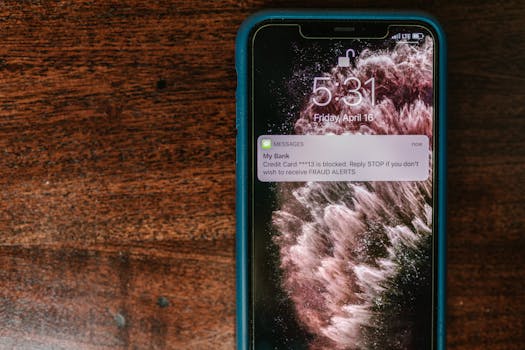
Most people don’t realize they’re heading toward burnout until small signs pile up: skipped breaks, endless notifications, lost focus, rising irritation. The risk creeps in quietly.
Everyone juggles dozens of tasks daily. Balancing priorities often feels like spinning plates in different rooms. Burnout prevention apps offer more than just order—they carve out breathing room.
This guide invites you to explore how picking the right tools—and habits—can cut the chaos and keep your energy reserves strong. Let’s see what a difference small, smart steps make.
Apps That Change Habits: Picking the Right Tools
Switching to burnout prevention apps is more than just a tech upgrade—it’s a behavioral shift. The best app for you solves real pain points and fits your daily rhythms.
Consider this: A designer named Sam felt anxious as her to-do list grew. She tried three different platforms before one matched her workflow, easing her stress. The choice matters.
Start Where Friction Is Highest
If you dread sorting emails or tracking deadlines, that’s your starting point. Try apps specializing in those areas before adjusting your entire routine.
For example, a quick-switch task list can make prioritizing easier within an hour. It’s about relief, not perfection: replace one point of friction first.
Tiny Experiments Lead to Lasting Change
Instead of diving into all-in-one solutions, try one feature at a time. Enable notification batching, or set a daily shutdown reminder for a week.
Notice which option actually lowers stress. You’ll find that even small adjustments—like shifting meeting notes into a shared document—help set boundaries quickly and painlessly.
| App Feature | Primary Benefit | Best For | What To Try Next |
|---|---|---|---|
| Task Batching | Reduces switching costs | Project managers, freelancers | Group morning routine tasks; track mood for a week |
| Time Blocking | Protects focus windows | Remote workers, students | Allocate a no-meeting hour daily; assess energy levels |
| Notification Control | Minimizes interruptions | Anyone multitasking | Silence work chats after 6 PM for two days |
| Mindful Reminders | Encourages breaks | Desk-bound professionals | Set gentle stretch alerts; rate your alertness |
| Analytics Dashboard | Shows workload patterns | Team leads, solo founders | Review weekly heatmaps; shift heavy tasks earlier |
Switching Gears: When to Pause, When to Push
The simple act of pausing—using an app nudge or just a timer—often reveals what actually needs your attention now, versus what can genuinely wait.
Nothing kills focus faster than the urge to sprint through the day without boundaries. Design apps help you claim small spaces for recovery, not just productivity.
Leaning Into Automated Breaks
Schedule two short pauses into your day using an app. When the chime goes off, step away—even if you’re “almost done.” It protects your thinking edge.
Plan these breaks before exhaustion arrives. Over time, you’ll recognize mental dips sooner, avoiding the big crash that comes from ignoring signals too long.
- Set three mini breaks with a gentle alert. This gives your brain a power reset and staves off decision fatigue before it starts stacking up.
- Mark off lunch on your digital calendar. Making it visible to others protects your recharge time and prevents work creep into your midday pause.
- Log end-of-day reflections inside your task app. It builds a habit of closing loops, signaling your brain to let go of unfinished tasks till tomorrow.
- Turn off badge icons outside work hours. This blocks distracting cues and helps you actually detach from work after hours, especially for remote roles.
- Use auto-responses during focused work. Letting others know when you’ll reply maintains connection but guards your attention fiercely.
Shifting these habits even slightly alters how pressure builds throughout your week. More is not better—better is better.
Identifying Red Flags Early
If your app shows a piling backlog, don’t just add more hours—ask what’s redundant or can be delegated. Trust the visible data and adjust your commitments.
Match your peak energy time with difficult tasks by tweaking your schedule inside your calendar app. The right data prevents you from self-sabotaging by accident.
- Review dashboard analytics each Friday. Spot trends—like tasks always slipping to late night—and see what you can shift next week to stop the cycle.
- Block time for review, not just “doing.” Seeing your plan builds confidence, not just pressure, for what comes next.
- Downgrade low-priority tasks. Be ruthless on what truly matters versus what just fills slots—your future self will thank you for the breathing space.
- Automate repetitive reminders. Freeing your brain from remembering small chores means more energy for deep focus when you need it most.
Every week’s adjustments create a smoother ride, with warning signs surfacing early—so you steer, not skid, through your workload.
Routines That Keep Burnout at Bay
App-powered habits flourish when paired with real routines. Consistency—not intensity—prevents burnout by building up sustainable energy instead of draining reserves.
A quick observation: When people add small, well-timed app nudges, they’re more likely to keep those micro-habits rolling, even after the novelty fades.
Anchoring to Everyday Triggers
Linking digital reminders to physical actions strengthens new routines. For example, anytime you fill your coffee mug, check your focus app status before jumping into email.
This analog-digital pairing, like laying out gym gear the night before, sidesteps willpower. The app prompt becomes just part of the furniture, not another nag.
Review, Reflect, Reset: End-of-Week Rituals
Setting aside ten minutes to scan your completed tasks or jotted notes can turn scattered effort into clear progress. Reflection closes chapters and marks effort, not just outcomes.
Use your app’s weekly summary to check for overextensions or unfinished loops. Adjust time estimates, drop what didn’t matter, and move essentials forward with fresh intent.
Tuning Apps for Your Patterns, Not Against Them
No tool works magic if it demands you contort your routine to fit it. Customizing burnout prevention apps amplifies their help—think of them like shoes fitted for your stride.
Small Tweaks, Big Gains
Instead of overhauling major settings, start by editing just two or three notification rules. For example, keep client emails visible but hide internal pings during deep work hours.
Avoid hourly reminders if they spark stress. Instead, use calendar blocks colored for “focus,” “admin,” or “reset.” Let the hues signal your mode at a glance, no clicks needed.
Behavior-First Adjustments
Many people stick to default app settings, missing easy improvements. Disable end-of-day email checks or push weekly planning to Monday mornings with a quick toggle—it’s low-effort, high-impact.
You can also trigger a “ready to leave” checklist at the end of each day, reinforcing a hard stop instead of letting tasks bleed into personal time. Try it for a week and observe the shift.
Mini-Experiments: Testing What Actually Works for You
Tracking outcomes, not just inputs, is the fastest way to see if burnout prevention apps help. A mini-experiment grounded in your real life beats theory every time.
For instance, spend three days using an app’s Pomodoro timer. Log how often you take breaks versus power through. Afterward, rate your alertness at lunch and in the evening—patterns reveal themselves fast.
Scenario: Digital versus Paper Reminders
A marketing coordinator split tasks between a digital prioritizer and sticky notes for a week. The hybrid approach stuck—each system served a different need, and neither caused overload alone.
Copy this: Try combining your app with a physical planner for a week. Compare task loads and mood. Adjust toward whatever gives more closure and less fatigue.
Checklist: Signs Your System Fits
If your energy outlasts your to-do list most days, you’re close to balance. The right system makes recovery automatic—it doesn’t require force or guilt as motivation.
Evaluate: Can you step away without anxiety? Are skipped tasks actually low-priority? Are daily shutdowns respected at home? If so, your app setup is working.
Rethinking Productivity: Less Grind, More Flow
Burnout prevention apps encourage less “grinding it out” and more smart boundary-setting. The big shift is prioritizing deep work and protected breaks over sheer volume of output.
Imagine a friend who closes her laptop daily by 5:30—her app sounds a gentle reminder, she wraps up mid-sentence, and walks away. She trusts tomorrow’s plan and actually enjoys her break.
Apps can cue us to change pace—and help make a healthy balance normal, not aspirational. The outcome: more calm, more real downtime, more perspective.
Test for yourself: Slot in two slow-down moments before midmorning and mid-afternoon. See if you return fresher to tough tasks. Notice who interrupts less, and how often you derail.
Look for tools that build flow—where focus wins more than busywork. People are often surprised how much more they accomplish with space to breathe and clear endings to their day.
Moving Forward: Building Burnout Resistance Daily
Burnout prevention apps don’t just reduce stress; they spark a series of small shifts that add up to major relief. It’s the accumulation of micro-decisions that forms a strong shield over time.
Every tip, trick, or experiment you try nudges you closer to a routine where exhaustion stops feeling inevitable. You’re architecting habits that last longer than the latest app trend.
Set one small nudge right now: change one alert, skip a late-night scroll, or block ten quiet minutes for reflection. Notice how it tilts your day—and build out from there.